
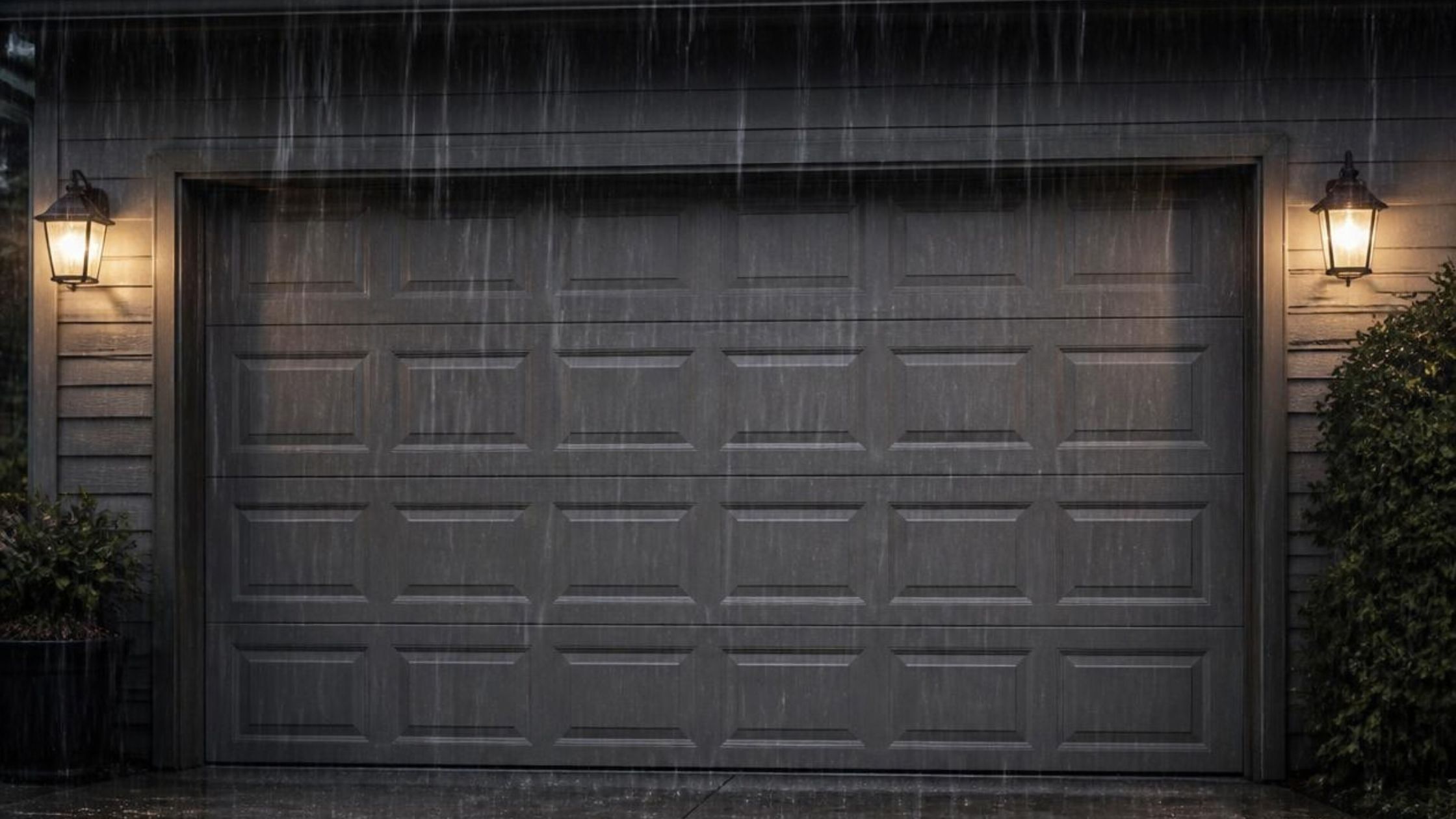

Garage Door Storm Damage: What to Do After Severe Weather Hits San Antonio
Now that we’ve hit September, we’re officially in the peak of hurricane season. Of course, San Antonio isn’t a coastal city, so we don’t take direct hurricane hits the way Houston or Corpus Christi do. But we’re squarely in the path of what’s left over once those storms make landfall along the Gulf or northern Mexico and push inland — heavy rain, straight-line winds, and fast-moving storm fronts that can do real damage to a garage door in a matter of minutes. If your door took a hit from a recent storm, here’s how to assess the damage and what to do next.
Why San Antonio Sees Storm Damage Even Without a Direct Hurricane Hit
By the time a Gulf or Mexico system reaches San Antonio, it’s usually weakened well below hurricane strength — but the remnant bands of wind and rain that trail behind a landfalling storm can still produce gusts strong enough to rattle a garage door, especially in September and October when this activity tends to peak. Add in the area’s separate pattern of spring and early-fall thunderstorm fronts, and a garage door here ends up facing wind-driven debris, sustained pressure, and heavy rain several times a year, even in a season with no storm making news headlines nearby.
A garage door is one of the largest moving surfaces on a house, and it’s also one of the more exposed ones. Wind doesn’t have to be hurricane-force to cause damage — sustained gusts against a large door panel put more stress on the tracks, hardware, and springs than most homeowners expect.
How Storms Damage Garage Doors
Storm damage shows up in a few different ways, and it’s worth checking for all of them after a bad front rolls through, not just the obvious one.
Wind pressure on the panels. Sustained wind pushing against a closed door can flex the panels, and in more severe cases, bow the door enough to pop it off its tracks or strain the springs and cables that are holding it in place. Our guide on what to do if your garage door comes off track covers what that looks like and why it isn’t safe to force the door afterward.
Wind-driven debris impact. Branches, patio furniture, fencing material, and other storm debris can strike a door directly, denting or cracking panels. This is especially common with older doors or thinner panel materials that don’t hold up as well to impact.
Water intrusion. Heavy, wind-driven rain can force water past weather seals that are worn, cracked, or improperly fitted, leading to water pooling at the base of the garage or seeping in around the sides. Even a door that looks fine on the outside can have a compromised bottom seal that lets water through during a hard rain.
Hail. Hail often accompanies the same storm fronts that bring high wind, and it can dent panels or damage the surface finish. We’ve covered hail-specific damage in more detail in our guide on what to do if your garage door gets hail damage, since it has its own considerations for insurance and repair.
Power surges affecting the opener. Lightning and power fluctuations during a storm can damage the opener’s circuit board even when the door itself is untouched. If your door won’t respond after a storm but looks physically fine, the opener is a likely culprit.
What to Check Right After a Storm
Once it’s safe to go outside, walk through a quick visual inspection before attempting to open or close the door:
Look at the panels for dents, cracks, or visible bowing across the surface. Check the tracks on both sides for anything that looks bent, twisted, or pulled away from the wall. Look at the bottom seal for tears, gaps, or displacement, and check the garage floor near the door for water intrusion. Listen and look for anything obviously out of place — a door hanging unevenly, a gap between a roller and its track, or cables that look slack or frayed.
If anything looks off, don’t run the opener to test it. A door that’s been stressed by wind or impacted by debris may be closer to failure than it looks, and operating it can turn a repairable issue into a more serious one.
Is It Safe to Use the Door After a Storm?
If the door looks completely normal — no visible dents, the tracks look straight, the seal is intact, and nothing seems off — it’s generally fine to operate normally. But if you notice any of the signs above, treat it the same way you would any other storm damage claim: document it, and get a professional assessment before relying on the door for daily use.
This matters because storm damage doesn’t always announce itself immediately. Wind stress can weaken hardware that doesn’t fully fail until days or weeks later, so a door that seems to “mostly” work after a bad storm is worth having inspected even if it isn’t obviously broken.
Does Insurance Cover Storm Damage to a Garage Door?
In most cases, yes. Wind, hail, and storm-related damage to a garage door is typically covered under the dwelling portion of a standard homeowner’s policy, subject to your deductible. As always, coverage specifics vary by policy, so it’s worth reviewing your declarations page or calling your agent if you’re unsure. The Texas Department of Insurance is a good resource for understanding what your policy is required to cover after storm damage in Texas specifically.
If you’re filing a claim, documentation matters. Take photos of the damage as soon as it’s safe to do so, before any repairs are made, and get a written repair estimate from a technician. Adjusters move faster when there’s clear evidence tied to a specific storm date.
Repair or Replace After Storm Damage?
This comes down to how extensive the damage is. A single dented or cracked panel, minor track misalignment, or a damaged seal are all straightforward repairs that don’t require touching the rest of the door. Multiple damaged panels, significantly bent tracks on both sides, or a door that’s come off track entirely start to shift the math toward full replacement, particularly on an older door that was already due for an upgrade.
A technician can tell you definitively which situation you’re in after a hands-on inspection — something that’s hard to judge accurately from the outside, especially with wind and pressure damage that isn’t always visible at a glance.
Getting Ready Before the Next Storm
Since San Antonio’s storm exposure is a recurring seasonal pattern rather than a one-time event, a little preventive maintenance goes a long way. Worn weather seals should be replaced before they let water through during the next hard rain. Loose track hardware should be tightened, since a secure track holds up far better against wind pressure than one that’s already got some play in it. And if your springs or cables are already showing wear, addressing that ahead of storm season means the door has less chance of failing under the added stress of a bad front.
If you’re not sure where your door currently stands, a seasonal inspection is a quick way to find out before the next system rolls through. Our full range of residential garage door services covers everything from seals and hardware to springs, panels, and full door replacement.
Get Fast Storm Damage Repair
Our team handles garage door storm damage repair across San Antonio, Helotes, and the surrounding Hill Country. Whether it’s wind damage, debris impact, a door that’s come off track, or an opener that took a power surge, we’ll assess it correctly and give you a straight answer on repair versus replacement. Contact us here for a free estimate, or call directly for the fastest response after a storm.
Frequently Asked Questions: Garage Door Storm Damage
Can wind alone damage a garage door without any visible impact?
Yes. Sustained wind pressure against a closed door can stress the panels, tracks, and hardware even without any debris striking the door directly. This kind of damage is sometimes less obvious than a dent, so it’s worth having the door checked after a particularly windy storm even if nothing looks wrong at first glance.
Does homeowner’s insurance cover garage door storm damage in Texas?
In most cases, yes, wind and storm-related damage is covered under the dwelling portion of a standard homeowner’s policy, subject to your deductible. Confirm the specifics with your provider, and document the damage with photos before any repairs are made.
Is it safe to use my garage door if it looks fine after a storm?
Generally yes, but it’s worth doing a quick visual check of the panels, tracks, and seal first. Wind stress can occasionally weaken hardware in ways that aren’t obvious right away, so if anything seems slightly off, it’s worth a professional look even if the door still opens and closes.
My garage door opener stopped working after a storm, but the door looks fine. What happened?
This is often a power surge affecting the opener’s circuit board rather than physical damage to the door itself. Lightning and voltage fluctuations during storms are common causes. A technician can diagnose whether the opener needs repair or replacement.
How do I know if storm damage is a repair or a full door replacement?
It depends on the extent of the damage. A single damaged panel or minor track issue is usually a straightforward repair. Multiple damaged panels or significant track damage on both sides often make full replacement the more practical option, especially on an older door. A hands-on inspection gives the most accurate answer.
Does San Antonio actually get hurricane damage?
San Antonio doesn’t experience direct hurricane landfall, but it regularly sees the heavy rain and high wind that trail inland after Gulf or Mexico storms make landfall, particularly during peak hurricane season in late summer and early fall. Combined with the area’s separate severe thunderstorm patterns, garage doors here face real storm exposure even without a hurricane making local headlines.

