
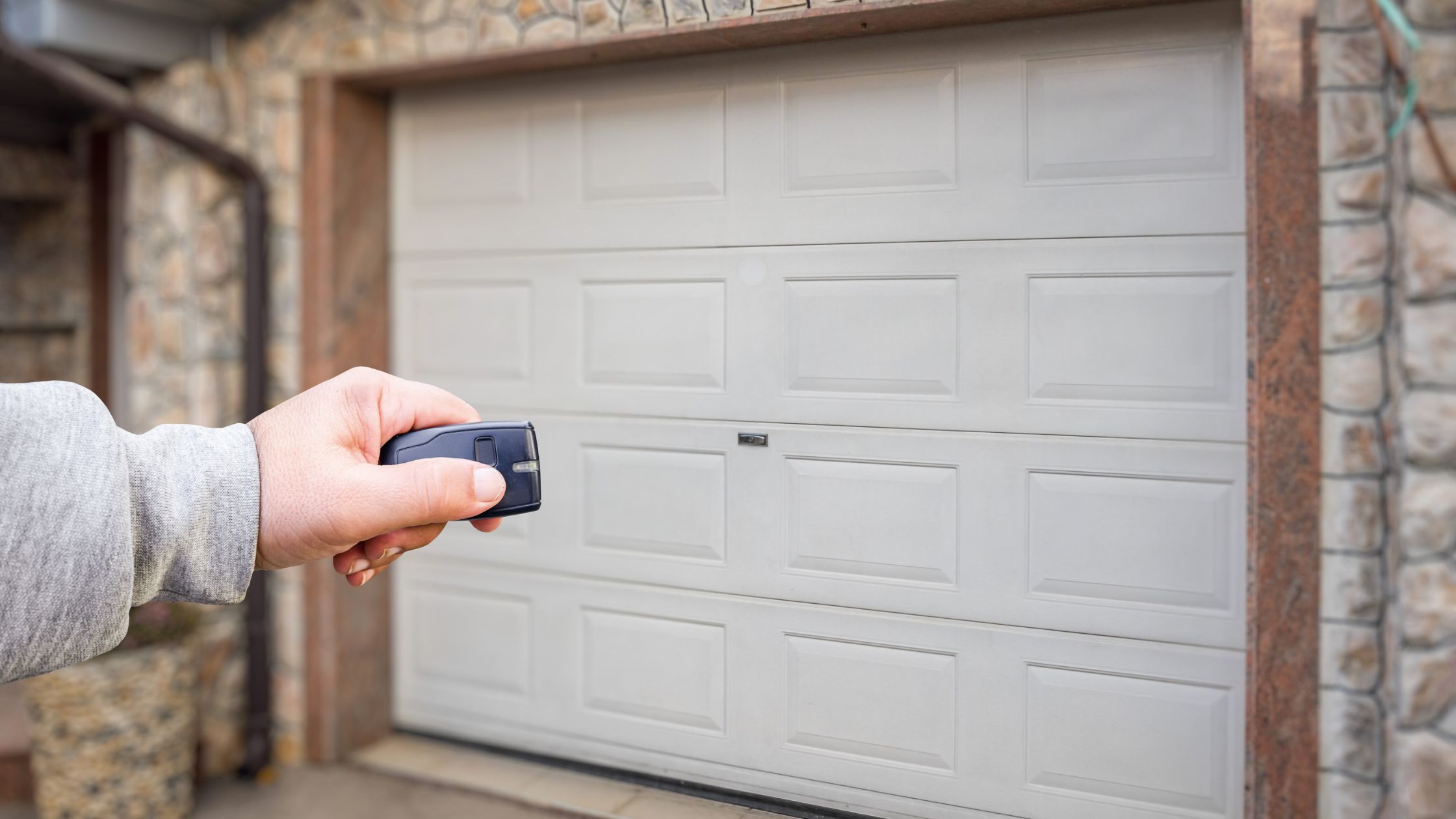

How to Extend the Life of Your Garage Door
How to Extend the Life of Your Garage Door
Your garage door is one of the hardest-working parts of your home. Most households open and close it four to eight times a day — that’s more than 1,500 cycles a year. Over time, that kind of use adds up, and without regular maintenance, it shows. The good news is that most of what shortens a garage door’s life is completely preventable. Here’s what the team at Helotes Overhead Garage Doors recommends for homeowners in San Antonio and the surrounding area who want to get the most out of their investment.
1. Lubricate Moving Parts Twice a Year — and Use the Right Product
Friction is the enemy of a long-lasting garage door. Metal-on-metal contact in the hinges, rollers, springs, and torsion bar causes gradual wear that compounds over time. Lubricating these parts twice a year — ideally in spring and fall — dramatically reduces that wear.
What you use matters. A silicone-based spray or white lithium grease works well on most components. What you want to avoid is WD-40 on springs and rollers. Despite its reputation as a cure-all, WD-40 is primarily a solvent and water displacer, not a lubricant. Applied to springs or rollers, it actually strips away existing lubrication and accelerates corrosion. In San Antonio’s heat and humidity, parts dry out faster than in milder climates — so if your door has been squeaking more than usual, don’t wait for the scheduled service.
2. Check and Tighten the Hardware
Every time your garage door opens and closes, the vibration works subtly at bolts, nuts, and roller brackets. Over hundreds of cycles, hardware loosens — and loose hardware leads to misaligned tracks, which leads to bigger problems. Take ten minutes a few times a year to walk the door and tighten anything that has worked itself loose. Pay particular attention to the brackets that hold the tracks to the wall and the bolts on the torsion bar.
If you notice stripped bolts or cracked brackets, replace them before the problem compounds. These are inexpensive parts that protect far more expensive components.
3. Test the Balance — It Tells You a Lot
An out-of-balance garage door is one of the most common causes of early opener failure and spring wear. Here’s the test: pull the red emergency release cord to disconnect the opener, then manually lift the door to about waist height and let go. A properly balanced door stays put with minimal drift. If it falls or shoots upward, the spring tension is off and needs professional adjustment.
This test takes thirty seconds and should be part of your routine every six months. Spring adjustment and replacement should always be left to a professional — torsion springs are under enormous tension and are genuinely dangerous to work on without proper training and tools.
4. Clean the Tracks — Don’t Adjust Them
Dirty tracks are a common source of grinding, jerking, and uneven movement. Use a damp cloth to wipe out dust, debris, and hardened grease buildup from the inside of both tracks. In San Antonio, where dust and cedar pollen accumulate quickly, this is worth doing every few months.
One important note: if the tracks look bent, out of alignment, or the door is coming off track, stop using the door and call a professional. Track realignment is not a DIY job. Forcing a door along a bent track causes damage that escalates quickly and can become a safety hazard.
5. Replace Weatherstripping Before It Fails
The rubber seal along the bottom and sides of your garage door does several important jobs: it keeps out rain, dust, pests, and drafts. In Texas heat, rubber degrades faster than in cooler climates — cracking, flattening, and losing its seal within three to five years. When weatherstripping fails, water gets underneath the door, which accelerates rust on steel doors and rot on wood doors. It also lets in the kind of heat that burns out opener motors ahead of schedule.
Weatherstripping replacement is one of the cheapest maintenance tasks on a garage door and one of the highest-impact. If you can see daylight around the door edges or feel a draft, it’s time.
6. Schedule a Professional Tune-Up Once a Year
DIY maintenance covers the visible and accessible parts of your door. What it can’t cover is spring tension calibration, cable wear inspection, opener force and speed settings, safety reverse testing, and the dozens of small adjustments that keep a garage door operating within spec. A professional garage door maintenance visit handles all of that in one appointment.
At Helotes Overhead Garage Doors, we’ve been servicing doors in San Antonio and Helotes since 1985. In that time, we’ve seen the same pattern over and over: the homeowners who skip annual service end up calling us for a broken spring or a failed opener. The homeowners who stay on schedule don’t. The math on preventive maintenance is simple — a tune-up costs a fraction of a repair call.
One More Thing: Know When to Replace, Not Just Repair
Even the best-maintained garage door has a lifespan. If your door is more than 20 years old, has significant rust or panel damage, or has needed multiple major repairs in recent years, it may be more cost-effective to replace it than to keep patching it. Our post on when to replace vs. repair your garage door walks through that decision in detail.
And if you want a comprehensive seasonal checklist to keep your maintenance on track, our garage door maintenance checklist for San Antonio and Helotes homes has you covered month by month.
Ready to schedule a professional tune-up or have a question about your door? Contact Helotes Overhead Garage Doors — we’ve been taking care of San Antonio’s garage doors for 40 years, and we’re happy to help.
Frequently Asked Questions
How long should a garage door last?
A well-maintained garage door typically lasts 15 to 30 years. The door itself often outlasts its components — springs average 7 to 10 years, cables and rollers 10 to 15 years, and openers 10 to 15 years with regular use. Consistent maintenance is the single biggest factor in where your door lands in that range.
How often should I lubricate my garage door?
At least twice a year — once in spring and once in fall. In San Antonio, the heat, humidity, and dust mean parts dry out faster than in milder climates, so some homeowners lubricate every four months. Use a silicone-based spray or white lithium grease, and avoid WD-40 on springs and rollers.
Can I do my own garage door maintenance?
Yes — lubrication, visual inspections, hardware tightening, cleaning tracks, and testing the balance are all safe DIY tasks. What you should never attempt yourself is spring adjustment or replacement. Torsion springs are under extreme tension and can cause serious injury if mishandled. For anything involving springs or cables, call a professional.
How do I know if my garage door is out of balance?
Disconnect the opener by pulling the red emergency release cord, then manually lift the door to about waist height and let go. A properly balanced door will stay in place with minimal drift. If it falls or shoots up, the springs need adjustment — which requires a professional.
How often should I have my garage door professionally serviced?
Once a year is the standard. A professional tune-up covers spring tension calibration, cable inspection, track alignment, opener force settings, and safety reverse testing. If your door is older than 10 years or sees heavy use, twice a year is worth considering.
What’s the most common reason garage doors fail early?
Skipped maintenance. Dry springs snap ahead of schedule. Loose hardware causes track misalignment. Worn weatherstripping lets moisture into panels. None of these failures are expensive to prevent — they’re expensive to fix after the fact.
Does the San Antonio heat affect garage door lifespan?
Significantly. Extreme heat accelerates fatigue in metal components and degrades rubber weatherstripping faster than in cooler climates. UV exposure affects wood doors and finishes. Insulated steel doors handle the heat better and protect opener motors from temperature extremes — we recommend them for most San Antonio homes.
When should I replace weatherstripping on my garage door?
When you can see daylight around the door edges, feel a draft, or notice the rubber has become cracked, brittle, or flattened. In San Antonio’s climate, weatherstripping typically needs replacement every 3 to 5 years. It’s one of the cheapest maintenance tasks on a garage door and one of the highest-impact for moisture protection and energy efficiency.

